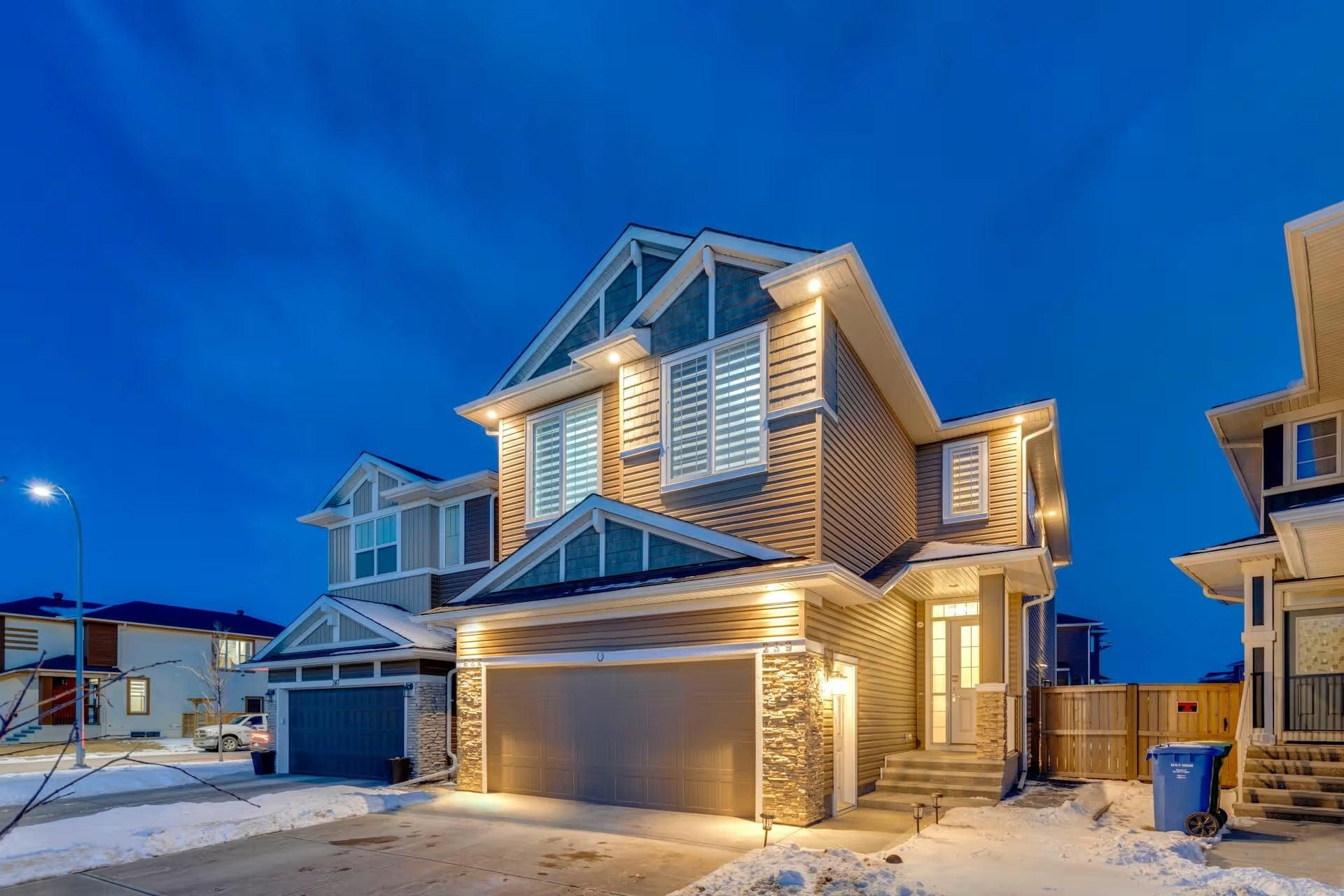
Calgary winters are cold, with temperatures often dropping well below freezing and significant snow accumulations. The freeze‑thaw cycles typical of Alberta can impact building materials and work conditions, making construction planning crucial.
These cycles can cause materials such as concrete and caulking to behave differently compared to warmer months, which in turn affects how Calgary winter renovations should be approached.
Even in a city with harsh winters, there are practical reasons some homeowners choose to renovate between late November and March:
In winter, many homeowners pause major exterior projects, so renovation professionals often have more open schedules. This can lead to easier booking for skilled tradespeople and sometimes more competitive labour rates than during peak summer months.
Interior renovations such as finishing basements, updating bathrooms or kitchens, and upgrading lighting or flooring, are well suited to winter because they are less affected by outdoor weather.
While there are upsides, winter renovation in Calgary is not without hurdles:
Snow, ice, and extreme cold can delay both exterior and interior work. Snowstorms might slow access, and certain materials (like concrete or exterior paint) may not set or cure properly in cold conditions.
Shorter days limit the number of workable hours, particularly for tasks that depend on natural light. This can extend the project timeline unless carefully planned.
Keeping indoor spaces warm during winter renovations can raise energy costs. If interior walls or insulation are being opened up, heated air can escape more easily, so temporary heating and proper sealing should be factored into the budget.
Cold temperatures affect the delivery and performance of materials. Paints, adhesives, and finishes can be compromised if stored or applied in freezing conditions. Designs that require temperature-sensitive treatments must consider stable indoor temperatures to avoid issues.
Good airflow is essential, especially where adhesives or paints are involved. In winter, opening windows for ventilation is less practical, so alternative ventilation strategies are needed to ensure healthy indoor conditions.
If you decide to go ahead with winter renovations in Calgary, some types of work are particularly well‑suited to colder months:
These can be completed in climate‑controlled spaces with minimal impact from outdoor temperatures.
Winter offers an excellent time to address insulation and energy efficiency, such as:
Certain home improvement projects in Calgary are more affected by winter conditions and require careful consideration before starting.
Cold, icy surfaces make roofing work risky. Shingles and adhesives may not set properly, and slippery conditions increase fall hazards. Complete roof replacements are usually better in warmer months.
Paints and siding adhesives need temperatures above freezing to cure correctly. Cold conditions can cause bubbling, peeling, or cracking, making quality finishes difficult.
Concrete and masonry are highly temperature-dependent. Freezing conditions can weaken curing, leading to cracks or structural issues.
Frozen ground complicates digging and planting, while large exterior additions like decks or patios may face delays and safety concerns.
While interior projects and energy-efficiency upgrades are winter-friendly, roofing, exterior finishes, concrete, and large structural work should be approached cautiously or postponed until warmer months.
Factor in buffer time for delays due to snowstorms, freezing conditions, or limited daylight hours. This helps you avoid stress if unexpected interruptions occur.
Ensure pathways and outdoor areas are cleared of ice and snow to protect workers and materials. Inside, set up protection for floors and furnishings against cold-related damage.
Portable heaters and controlled ventilation systems can maintain appropriate temperatures for material curing and worker comfort.
Winter projects might include additional expenses such as temporary heating, protective coverings, or storage solutions. Consulting an experienced renovator can help you anticipate these costs in your planning.
Their experience in Calgary’s climate and housing styles ensures practical, long-lasting results, while their commitment to clear communication and personalized solutions gives homeowners confidence and peace of mind throughout the entire renovation journey.
Yes, Winter is ideal for installing insulation, sealing drafts, and upgrading windows or doors, which improve comfort and reduce heating costs immediately.
Experienced contractors use proper storage, controlled indoor temperatures, and winter-safe alternatives to ensure materials like paint, adhesives, and concrete perform correctly.
Yes, Winter projects may include extra costs for heating, protective coverings, storage, and potential delays, which should be factored into your overall budget.
Yes, Interior upgrades and energy-efficiency improvements can make your home warmer and more comfortable throughout the winter months.
Basements are excellent for winter renovations because they are insulated from outside weather, making it easier to work on flooring, walls, lighting, and plumbing.
Most professional contractors in Calgary are accustomed to winter renovations and can adjust work methods, schedules, and materials to handle the cold safely and effectively.
Flooring, kitchen and bathroom remodels, painting, lighting upgrades, and cabinetry work are least affected, as they can be done indoors in controlled environments.
Use floor coverings, seal drafts, maintain safe walkways outside, and ensure temporary heating and ventilation are in place to protect both the home and construction quality.