Smart Home Calgary: Automation, Security & Energy Tech
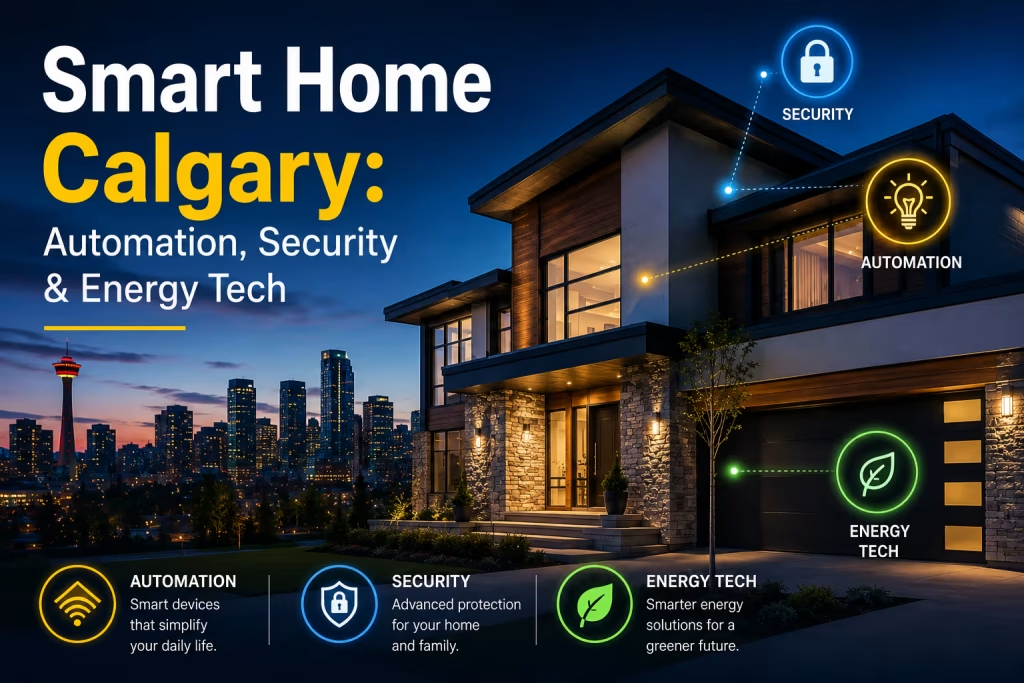
Smart Home Calgary: Automation, Security & Energy Tech
Calgary homeowners are embracing smart home technology at a faster pace than almost any other major Canadian city, and for good reason. The combination of long winters, high energy costs, a tech-savvy population, and a housing market that places strong value on modern upgrades has created ideal conditions for smart home adoption to thrive. Whether you are building a new home in one of Calgary’s growing northern suburbs, renovating an inner-city infill, or simply upgrading a mature family home in the southwest, the range of smart home technology now available is deeper, more affordable, and more reliable than it has ever been.
Smart home Calgary installations are no longer the exclusive territory of luxury builds or tech enthusiasts with unlimited budgets. Entry-level systems have become genuinely accessible, mid-range setups offer meaningful quality-of-life improvements, and high-end integrated systems can transform how a home functions at every level, from how it manages energy consumption during Alberta’s peak demand periods to how it responds when a family member arrives home, to how it behaves when no one is there at all.
Understanding smart home technology in the Calgary context requires more than a list of products. It requires thinking carefully about the specific conditions of living in Calgary: extreme temperature swings from -30°C winters to +30°C summers, high natural gas and electricity rates, a strong culture of outdoor and recreational activity that means homes are frequently locked and left, and a construction landscape that ranges from century-old inner-city bungalows with challenging retrofit conditions to brand-new builds where smart wiring can be roughed in from the framing stage.
What Is a Smart Home in Calgary?
A Smart Home in Calgary is a modern residential system where different home devices and functions are connected through technology and can be controlled automatically or remotely. This includes features like smart lighting, thermostats, security cameras, door locks, and appliances that can be managed through a smartphone, tablet, or voice commands. The main idea of a Smart Home is to make daily living more convenient, efficient, and secure by automating routine tasks and allowing homeowners to control their home even when they are not physically present.
In Calgary, Smart Homes are especially useful due to the city’s cold climate and busy lifestyle. Homeowners can adjust heating systems remotely to save energy, monitor security while away, and optimize comfort throughout the day. A Smart Home also helps reduce utility costs, improves energy efficiency, and enhances safety, making it a popular choice for modern families looking for both convenience and long-term value.
What Smart Home Automation Systems Work Best in Calgary?
The backbone of any smart home is the platform or ecosystem that ties individual devices together. The choice of platform shapes everything: which devices are compatible, how reliably they communicate, whether automation works locally (without internet) or depends on cloud connectivity, and how the system will evolve as technology advances.
The three dominant ecosystems in Canada are Google Home, Amazon Alexa, and Apple HomeKit. Each has meaningful differences in privacy, device compatibility, and reliability. A fourth option, Home Assistant, a locally hosted open-source platform, has grown significantly in popularity among technically inclined Calgary homeowners who want full control and no cloud dependency.
Google Home integrates tightly with Nest products (thermostats, cameras, doorbells) and offers strong automation capabilities through Google routines and the newer Matter standard. It works well for households already in the Google ecosystem.
Amazon Alexa offers the broadest device compatibility of any platform and is the most common entry point for Calgary homeowners, largely because of the wide availability of Alexa-compatible devices across all price points. Its automation capabilities have improved substantially.
Apple HomeKit prioritizes privacy and local processing. Automations run on a home hub (HomePod or Apple TV) without cloud dependency, which means they continue working during internet outages, a meaningful consideration during Calgary’s occasional severe weather events. HomeKit requires Apple devices but offers the most secure and private architecture.
Matter, the new cross-platform standard ratified in 2022, is gradually resolving the compatibility problem by allowing devices to work across all major ecosystems. As Matter adoption grows, the platform lock-in that once defined smart home purchases is diminishing.
For new Calgary builds or major renovations, the recommendation is to choose a platform that supports Matter and invest in a strong mesh Wi-Fi network as the foundation. Everything else can be layered on top.
How Does Smart Home Calgary Technology Cut Energy Bills?
Energy costs in Alberta are among the highest in Canada, making energy management one of the most financially compelling reasons to invest in smart home technology in Calgary. The combination of high natural gas prices for heating, electricity rates that vary significantly under Alberta’s deregulated market, and a climate that demands maximum HVAC performance for months at a time creates real opportunity for smart systems to deliver measurable savings.
Smart thermostats:
Smart thermostats are the single highest-return smart home investment for Calgary homeowners. The Ecobee SmartThermostat Premium and Google Nest Learning Thermostat are the two most widely installed models in Calgary, both compatible with Alberta’s forced-air heating systems. Studies of Canadian installations consistently show 15 to 23 percent savings on heating and cooling costs compared to conventional programmable or manual thermostats. On a Calgary home spending $2,400 per year on natural gas, that represents $360 to $550 in annual savings, paying back a $300 thermostat in under a year.
Smart lighting:
Smart lighting with occupancy sensors and automated schedules eliminates the energy waste of lights left on in unoccupied rooms. LED smart bulbs consume 75 to 90 percent less energy than incandescent equivalents, and automation ensures they are only on when needed.
Smart plugs and energy monitors:
Smart plugs and energy monitors identify phantom loads, devices drawing power in standby mode, which can account for 5 to 10 percent of a household’s total electricity consumption. Smart plugs on entertainment systems, home office equipment, and kitchen appliances can cut this waste automatically.
Alberta’s Time-of-Use electricity considerations:
While Alberta does not currently use mandatory time-of-use billing for most residential customers, the deregulated market means electricity rates fluctuate constantly. Smart home energy management systems that shift discretionary loads (EV charging, hot water heating, dishwasher operation) to lower-cost periods are increasingly relevant as smart metering infrastructure expands.
Integration with solar:
Calgary receives more annual sunshine than any other major Canadian city, making solar a strong fit, and it is one of the core strategies behind sustainable home builders who pursue LEED certification through reduced grid dependency and lower operational carbon. Smart home energy management systems from companies like Enphase, SolarEdge, and Tesla can integrate solar production, battery storage, EV charging, and home consumption into a single managed system, maximizing self-consumption and minimizing grid dependency.
What Smart Home Security Systems Are Right for Calgary Homes?
Security is consistently the second most common motivation for smart home investment in Calgary, after energy management. Calgary’s property crime rate, concentrated heavily in vehicle theft and residential break-and-enter, has made visible, connected security systems a practical investment rather than a luxury upgrade.
A comprehensive smart home security setup for Calgary typically includes several layers:
Video doorbells:
Video doorbells provide a critical first layer of deterrence and documentation. The Ring Video Doorbell Pro 2 and Arlo Essential Video Doorbell are the most commonly installed models in Calgary. Motion detection zones can be configured to cover driveways and approach paths, with real-time alerts sent to your phone and video clips stored in cloud or local archives.
Outdoor security cameras:
Outdoor security cameras should cover all entry points and extend to the driveway, garage, and any side or back access points. For Calgary’s winters, camera selection must account for operating temperature ranges; many budget cameras fail below -20°C, while professional-grade models from Arlo, Ring, and Reolink are rated to -40°C.
Smart door locks:
Smart door locks from brands like Schlage Encode, Yale Assure, and August Smart Lock allow keyless entry via PIN code, app, or biometric, eliminating the risk of lost or copied keys. Auto-lock features ensure doors lock behind family members, and access logs show who entered and when. Temporary PIN codes for contractors or house guests can be created and deleted remotely.
Motion sensors and door/window sensors:
Motion sensors and door/window sensors extend the security perimeter into the home itself. These form the backbone of a monitored alarm system and integrate with smart lighting to trigger lights when motion is detected outside.
Professional monitoring:
Several companies offer 24/7 monitoring for Calgary homes, including ADT, Telus SmartHome Security, and SimpliSafe. Monthly fees range from $20 to $60, and professionally monitored systems can dispatch police or fire response based on sensor triggers and video verification, reducing false alarm response concerns.
Cold-specific considerations:
In Calgary’s winters, smart water sensors near the hot water tank and along basement perimeter walls provide early warning of freeze-related pipe failures, one of the most damaging and costly residential insurance claims in Alberta.
What Smart Lighting Options Work Best for Calgary Homes?
Smart lighting is one of the most immediately satisfying smart home upgrades because the results are visible, daily, and highly customizable. For Calgary homes, smart lighting serves both comfort and security functions.
Philips Hue remains the gold standard for indoor smart lighting, offering the most reliable mesh network (Zigbee-based), the widest product range from bulbs to light strips to fixtures, and deep integration with all major platforms including HomeKit, Google Home, and Alexa. The Hue Bridge provides local processing, meaning automations continue working during internet outages.
LIFX offers bright, high-quality Wi-Fi-based bulbs without a hub requirement, a simpler entry point for homeowners not yet ready to commit to a full ecosystem.
Lutron Caséta switches and dimmers replace existing wall switches and work with existing non-smart bulbs, making them ideal for Calgary homes with built-in or recessed fixtures that cannot accept standard smart bulbs. Caséta is widely regarded as the most reliable smart switch system available and integrates with all major platforms.
For Calgary’s long dark winters, smart lighting automations that simulate sunrise in the morning, gradually brighten common areas at sunset, and shift to warmer colour temperatures in the evening have measurable effects on mood and sleep quality. Circadian lighting routines are one of the most underrated features of a mature smart lighting setup.
From a security standpoint, random-pattern lighting automation while a home is unoccupied, particularly during Calgary’s ski season when many families are away for extended weekends, is a far more effective deterrent than simple timer-based lighting that follows a predictable pattern.
What Smart Home Devices Are Best for Calgary Winters?
Calgary’s winters present specific challenges and opportunities for smart home technology that do not apply in milder climates. The right devices can make winter significantly more comfortable and prevent the costly damage that extreme cold can cause.
Smart garage door openers:
Smart garage door openers from Chamberlain (myQ) or Meross allow remote operation and status monitoring from anywhere. The ability to check whether the garage door was left open, and close it remotely, is especially valuable in winter when a forgotten open door can cause the garage to drop to dangerous temperatures, affecting vehicles, pipes, and anything stored inside.
Smart water leak and freeze sensors:
Smart water leak and freeze sensors are among the highest-value investments a Calgary homeowner can make. Placed near water supply lines along exterior walls, under sinks on exterior-facing walls, near the water heater, and in the mechanical room, these sensors alert you to temperature drops approaching freezing before pipe damage occurs. The cost of a $30 sensor is trivial compared to a burst pipe claim averaging $15,000 to $50,000 in repair costs.
Heated driveway controls:
Calgary’s freeze-thaw cycles make heated driveways a practical amenity rather than a luxury in many neighbourhoods. Smart controls allow heated driveways to operate based on temperature and precipitation sensors rather than running continuously, substantially reducing operating costs.
Smart outdoor outlets and plugs:
In Calgary, block heater timers are a universal necessity. Smart outdoor plugs allow block heater operation to be scheduled or triggered remotely based on forecast temperatures, running the heater only as long as needed rather than leaving it plugged in overnight unnecessarily.
Remote temperature monitoring:
For Calgary homeowners who travel frequently for work or recreation, smart temperature sensors with remote monitoring and alerts provide peace of mind that the home is maintaining safe temperatures in their absence. If the furnace fails during a -30°C cold snap, early detection is the difference between a service call and a catastrophic pipe failure.
How Much Does a Smart Home Calgary Installation Cost?
Smart home investment in Calgary exists across a wide spectrum, from a few hundred dollars for a DIY entry-level setup to tens of thousands for a fully integrated, professionally installed system. Understanding what each level delivers helps homeowners prioritize investments that match their budget and goals.
Entry level ($500 to $2,000):
A smart thermostat ($250 to $350), a video doorbell ($150 to $300), two to four smart bulbs or a smart switch kit ($100 to $200), and a smart lock ($200 to $350) deliver immediate, daily impact in comfort, security, and energy management. Most of these devices are DIY-installable in under an hour. This is the right starting point for the majority of Calgary homeowners exploring smart home technology for the first time.
Mid-range ($2,000 to $10,000):
A full smart lighting system covering key areas of the home, multiple outdoor security cameras, a video doorbell, a professionally monitored alarm system, a smart thermostat with additional room sensors, and smart garage door integration. At this level, a professional installer is often engaged for structured wiring, camera placement, and system configuration, though many components can still be self-installed by a capable homeowner.
High-end ($10,000 to $50,000+):
Whole-home automation including lighting control from dedicated keypads (Lutron RadioRA 3, Control4, Savant), integrated audio-video, motorized blinds, multi-zone HVAC, enterprise-grade networking, comprehensive security camera arrays with NVR storage, and a dedicated control system with touchscreen interfaces. At this level, professional design, installation, and ongoing support from a certified smart home integrator is essential.
Professional installation vs. DIY:
For Calgary homeowners weighing the two, the honest answer is that the majority of popular smart home devices, Nest, Ecobee, Ring, Philips Hue, August, SimpliSafe, are genuinely designed for DIY installation and require no special skills beyond basic comfort with a screwdriver and a smartphone. Professional installation adds value for structured wiring, integration of multiple systems, custom automation programming, and enterprise-grade equipment that does not have a consumer-friendly setup process.
What Should You Ask a Smart Home Installer in Calgary?
When planning a smart home, choosing the right installer is just as important as choosing the technology itself. The smart home installation market in Calgary includes everyone from basic device setup technicians to advanced system integrators who design fully connected homes. Asking the right questions helps ensure you get a reliable system, proper installation, and long-term support without unexpected issues.
Certification and Professional Standards
One of the first things to ask is whether the installer is certified by a recognized industry body such as CEDIA (Custom Electronic Design and Installation Association). Certification shows that the installer has received proper technical training and follows global installation standards. This helps reduce the risk of poor wiring, system errors, and unreliable performance in your smart home setup.
System Support and Maintenance
It is also important to ask what happens if something stops working after installation. Some smart devices like Ring or Nest offer basic self-support through apps, while advanced systems like Control4 or Savant require professional dealer support for updates and troubleshooting. You should clearly understand what kind of ongoing support is included and whether there are additional costs for maintenance or system upgrades.
Network and Connectivity Setup
A strong smart home depends heavily on a reliable internet connection. Ask the installer how they plan to handle your home’s network infrastructure. A professional installer should evaluate your Wi-Fi coverage, recommend mesh network systems if needed, and may set up a dedicated IoT network (VLAN) to separate smart devices from personal devices. This improves both performance and security across your home system.
Future Compatibility and System Flexibility
Technology changes quickly, so it is important to ask about future compatibility. Some systems rely on a single brand’s ecosystem, which can become outdated or unsupported over time. More flexible systems use open standards like Zigbee, Z-Wave, or Matter, or platforms such as Home Assistant. These options provide better long-term stability and make it easier to upgrade or expand your smart home later.
Local Experience and References
Finally, ask for references from previous local installations. An experienced installer familiar with Calgary homes will understand common issues like older electrical wiring, heating system configurations, and harsh outdoor conditions that affect cameras and sensors. Checking real project examples helps you evaluate the installer’s quality and reliability before making a decision.
Why Choose Turnkey Homes and Renovations for Smart Homes in Calgary?
Turnkey Homes and Renovations is a preferred choice for smart homes in Calgary because they focus on creating well-planned, technology-ready living spaces that are both functional and future-proof. Their approach ensures that smart home features like automated lighting, climate control, security systems, and energy management are properly integrated into the home’s design from the beginning. This results in a smoother, more efficient system that enhances comfort, convenience, and overall living quality.
They also stand out because of their turnkey service model, which means homeowners don’t have to deal with multiple contractors or complicated coordination. From planning and design to construction and smart system setup, everything is managed under one roof. This not only saves time but also ensures better quality control and consistency throughout the project, making it easier for Calgary homeowners to enjoy a fully connected and modern smart home experience.
Frequently Asked Questions
Is it possible to upgrade an existing house into a Smart Home?
Yes, an existing house can be upgraded into a Smart Home by installing smart devices such as plugs, thermostats, lighting systems, and security equipment.
Are Smart Homes in Calgary secure from hacking?
Smart Homes in Calgary are generally secure when proper encryption, strong passwords, and updated software are used, though cybersecurity practices are essential for protection.
What devices are commonly used in a Smart Home in Calgary?
Common devices in a Smart Home in Calgary include smart speakers, thermostats, security cameras, lighting systems, door locks, and energy monitoring tools.
Are Smart Homes in Calgary expensive to install?
The cost of a Smart Home in Calgary depends on the level of automation and devices used, but systems can be installed gradually to fit different budgets.
Can I control a Smart Home remotely?
Yes, a Smart Home can be controlled remotely using mobile apps, allowing homeowners to manage lighting, security, and temperature from anywhere.
Is Smart Home technology from Turnkey Homes and Renovations scalable?
Yes, Turnkey Homes and Renovations designs Smart Homes in a way that allows homeowners to easily add new devices and features in the future.