
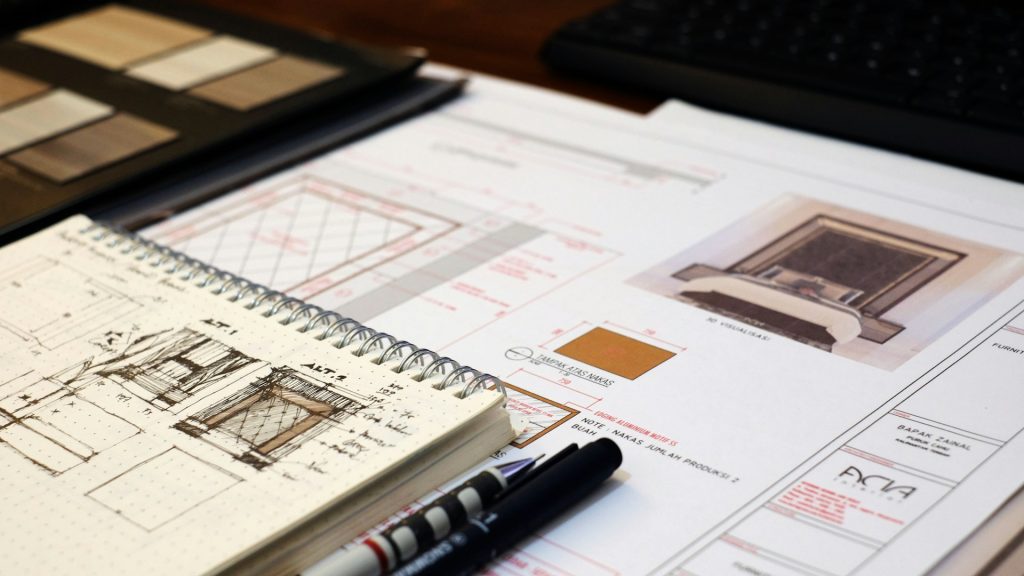
Whether you are updating a single bathroom or undertaking a full-scale home transformation, the renovation design phase is the foundation upon which every successful project rests. Skipping or rushing this critical stage is one of the most common and costly mistakes homeowners make. When you invest time, care, and expertise into the renovation design phase, you dramatically increase the chances of finishing on time, within budget, and with results that exceed your expectations.
A well-executed design phase not only enhances the functionality and aesthetics of a space but also ensures compliance with building standards and efficient use of resources. This is precisely why Calgary design build services have grown in popularity bundling design and construction under one roof eliminates the handoff gaps where budgets blow up and timelines slip. Whether you are planning a small upgrade or a full-scale renovation, investing time in the renovation design phase allows for better decision-making, smoother project execution, and ultimately, a more satisfying and stress-free renovation experience.
What Is the Renovation Design Phase?
The renovation design phase is the structured pre-construction period during which homeowners, architects, interior designers, and contractors collaborate to define the full scope of a renovation project. It encompasses everything from conceptual planning and space programming to technical drawings, material selection, and permit procurement.
Unlike spontaneous cosmetic updates, painting a wall or swapping cabinet hardware; a true renovation design phase involves deliberate, documented decision-making. Every design choice, structural consideration, and financial commitment is examined and approved before a single wall is opened or a tile is ordered, the same front-loaded discipline that defines the whole home construction process in Calgary from permits through to final inspection
Why is the Renovation Design Phase Non-Negotiable?
Cost control: Decisions made during design are exponentially cheaper to change on paper than during construction. An architect can redraw a wall layout in hours; a contractor demolishing the wrong wall costs thousands.
Coordination: Plumbing, electrical, HVAC, and structural systems must align. The design phase identifies conflicts between these systems before they become on-site emergencies.
Permitting: Most jurisdictions require approved drawings before issuing building permits. A thorough renovation design phase produces exactly these documents.
Communication: A comprehensive set of drawings and specifications ensures your contractor builds what you envisioned, not what they assumed you wanted.
What is the Process of the Renovation Design Phase?
Stage 1: Programming and Pre-Design
Before any sketches are drawn, the programming stage defines the project’s goals. This involves detailed conversations between you and your design team about how you use your home, what frustrates you about the current layout, your aesthetic preferences, lifestyle needs, and long-term plans for the property.
Pre-design tasks also include site analysis; measuring existing conditions, documenting structural elements, reviewing prior permits, and identifying any code-compliance issues that must be addressed. A thorough pre-design investigation prevents nasty surprises later.
Stage 2: Schematic Design
Schematic design (SD) translates your program requirements into preliminary spatial concepts. Designers produce floor plan options, basic elevations, and massing studies. At this stage, drawings are intentionally loose, they communicate big ideas and spatial relationships, not exact dimensions.
You should expect to review two to four schematic options and provide feedback. The goal is to select a preferred direction before investing resources in detailed drawings. Locking in your preferred layout at the schematic stage saves considerable time and money downstream.
Stage 3: Design Development
Stage 4: Construction Documents
Construction documents (CDs) are the final, permit-ready drawing set. They include dimensioned floor plans, reflected ceiling plans, exterior elevations, wall sections, details, schedules for doors, windows, fixtures, and finishes, and all engineering drawings. These documents form the legal basis of your contract with your general contractor.
The quality of your construction documents directly determines the quality of your contractor bids. Vague drawings produce wildly different bids that are impossible to compare apples-to-apples. Detailed CDs produce tight, comparable bids and fewer change orders during construction.
Stage 5: Permitting and Approvals
Most renovations that involve structural changes, additions, new plumbing, or electrical upgrades require building permits. Your design team submits the construction documents to your local building department, responds to plan check comments, and secures approved permits on your behalf.
Permit timelines vary enormously, from a few days for over-the-counter permits to six months or more in cities with high demand, which is why projects starting the design phase in autumn are often well-positioned to begin construction during Calgary winter renovations season when interior work is unaffected by weather. Factor permit timing into your overall project schedule before committing to a construction start date.
How to Choose the Right Team for the Renovation Design Phase?
The professionals you hire to lead your renovation design phase will shape every subsequent decision. A skilled, experienced design team can save you far more than their fees through smart material choices, value engineering, code knowledge, and contractor management. Choosing the wrong team, typically based on lowest fee rather than best fit, is a false economy.
When to Hire a Licensed Architect
A licensed architect is essential for any project involving structural modifications, additions, changes to the building envelope, or complex permitting requirements. Architects are legally responsible for the safety of their designs and carry errors-and-omissions insurance. If your renovation involves removing load-bearing walls, adding square footage, or significantly reconfiguring your home’s structure, hire an architect.
When to Hire an Interior Designer
An interior designer focuses on spatial planning, material selection, furniture layout, and aesthetic cohesion. For renovations that do not involve structural changes, a skilled interior designer can lead the design phase from start to finish. Many homeowners hire both an architect (for technical drawings and structural work) and an interior designer (for finishes and furnishings).
Design-Build vs. Architect-Led vs. Interior Designer-Led
Design-build firms integrate design and construction under one contract. This streamlines communication and can compress timelines, but it also reduces the independent oversight that a separate design team provides. Architect-led projects typically involve the most rigorous documentation and oversight but can take longer and cost more in design fees. Interior designer-led projects work well for cosmetic and non-structural renovations
How to Build a Budget During the Renovation Design Phase?
Budget planning is arguably the most consequential activity in the entire renovation design phase. An unrealistic budget does not just cause financial stress, it derails projects mid-construction, forces painful value-engineering decisions, and can ultimately result in a partially renovated home that is worse than what you started with.
Understanding Total Project Cost
Many homeowners budget only for construction costs and are blindsided by the full range of expenses a renovation entails. Total project cost includes design fees, engineering fees, permit and inspection fees, contractor overhead and profit, material costs, fixture and appliance allowances, temporary housing if required, and a contingency reserve.
Cost Category | Typical % of Total Budget | Notes |
Construction (Hard Costs) | 55–65% | Includes labor and materials |
Design & Engineering Fees | 10–15% | Architect, interior designer, and engineers |
Permit & Inspection Fees | 1–3% | Varies significantly by jurisdiction |
Furniture, Fixtures & Equipment (FF&E) | 10–15% | Appliances, lighting, and plumbing fixtures |
Contingency Reserve | 10–20% | Higher for older homes and complex renovation projects |
Project Management | 3–8% | Applies if using an owner’s representative or construction manager |
Setting a Contingency Reserve
Cost-Per-Square-Foot Benchmarks
While costs vary enormously by location, material quality, and project complexity, the following ranges provide a useful reality check during the renovation design phase. These figures reflect mid-range to upper-mid-range finishes in U.S. markets as of 2024-2025.
- Kitchen renovation: $150-$400+ per square foot
- Bathroom renovation: $300-$600+ per square foot
- Full home renovation (gut rehab): $100-$300 per square foot
- Additions (new construction): $200-$500+ per square foot
- Basement finishing: $50-$150 per square foot
Luxury finishes, custom millwork, radiant heat, smart home integration, and urban locations all push costs toward the upper end or beyond these ranges.
What Is the Timeline for Each Stage in the Renovation Design Phase?
One of the most common questions homeowners ask is: how long does the renovation design phase take? The honest answer is that it depends heavily on project complexity, the speed of owner decision-making, the responsiveness of your design team, and local permitting timelines. However, the following benchmarks apply to most residential renovation projects.
Design Stage | Small Project (<$100K) | Medium Project ($100K–$500K) | Large Project (>$500K) |
Programming & Pre-Design | 1-2 weeks | 2-4 weeks | 4-8 weeks |
Schematic Design | 1-2 weeks | 3-6 weeks | 6-12 weeks |
Design Development | 2-4 weeks | 4-8 weeks | 8-16 weeks |
Construction Documents | 2-4 weeks | 4-8 weeks | 8-16 weeks |
Permitting | 1-4 weeks | 4-12 weeks | 8-26 weeks |
Bidding & Contractor Selection | 2-3 weeks | 3-6 weeks | 4-8 weeks |
Total Pre-Construction | 2-4 months | 4-8 months | 8-18 months |
The Most Common Cause of Timeline Delays
The single largest cause of timeline delays in the renovation design phase is slow owner decision-making. Design teams work efficiently when clients provide timely feedback on design options, quickly approve material samples, and make selections before deadlines. When decisions are deferred, often because homeowners are overwhelmed by choices, the entire schedule slips.
Establishing a decision-making cadence at the start of the design phase dramatically reduces this risk. Ask your designer to provide a selection schedule that lists every decision required, the date each decision must be made, and the consequence of missing that date. This transforms an overwhelming process into a manageable checklist.
What Are the Most Common Mistakes Homeowners Make During the Renovation Design Phase?
Understanding where homeowners commonly go wrong during the renovation design phase is as important as knowing the right steps. The following mistakes are responsible for the majority of renovation failures, projects that run over budget, over schedule, or simply fail to deliver the desired result.
Underinvesting in Design
The renovation design phase typically costs 10–15% of total project cost. Many homeowners resist this investment, preferring to put every dollar into construction. This is counterproductive. A $500,000 construction project designed with $15,000 in sketches rather than a proper $60,000 design process will almost certainly produce more than $45,000 in change orders, design errors, and value-lost decisions. Invest properly in design.
Skipping the Contractor Pre-Qualification Process
The renovation design phase should include a contractor pre-qualification process before formal bidding. Pre-qualifying contractors means verifying licenses and insurance, checking references, reviewing completed projects of similar scope, and assessing financial stability. Selecting contractors to bid based solely on price or word-of-mouth recommendation, without verification, is how homeowners end up locked into contracts with undercapitalized or underqualified builders.
Making Scope Changes During Construction
The most expensive version of any renovation decision is the one made after construction begins. Change orders, formal amendments to the construction contract reflecting scope changes, carry a premium of 10–30% above the baseline cost of the same work if included in the original scope. The renovation design phase is specifically designed to prevent this by front-loading all decisions. Resist the urge to add scope once the project starts.
Failing to Account for Temporary Living Arrangements
Major renovations, particularly kitchen and bathroom gut renovations, make portions of your home uninhabitable for weeks or months. The cost of temporary housing, eating out, and storage can add $5,000 to $20,000 or more to a project’s true cost. Budget for this during the design phase, and explore whether phased construction can minimize disruption.
What Are the Sustainable Design Strategies for the Renovation Design Phase?
The renovation design phase presents a unique opportunity to incorporate sustainable design strategies that reduce long-term operating costs and environmental impact. Decisions made during design; insulation levels, window glazing, mechanical system selection, water fixture efficiency, are far more impactful and cost-effective than trying to retrofit sustainability measures after construction.
Building Envelope Improvements
If your renovation involves opening exterior walls, upgrading your building envelope should be a priority. Increasing insulation from code minimum to above-code levels, air-sealing penetrations, and upgrading to triple-pane windows reduces heating and cooling loads and improves comfort dramatically. These measures add upfront cost but deliver ongoing energy savings and often qualify for federal and state tax credits.
Mechanical System Selection
Heat pump technology has advanced dramatically and now offers efficient heating and cooling in virtually all climates. If your renovation includes mechanical system replacement, consult with an HVAC engineer about heat pump options including air-source heat pumps, mini-split systems, and heat pump water heaters. The Inflation Reduction Act provides substantial tax credits and rebates for qualifying equipment installations.
Water Efficiency
Specifying WaterSense-certified fixtures, faucets, showerheads, toilets, during the design phase adds minimal cost and reduces water consumption meaningfully. In drought-prone regions, greywater recycling systems and drought-tolerant landscaping specified during the renovation design phase can significantly reduce long-term water bills.
How Is Technology Transforming the Renovation Design Phase?
Digital tools have fundamentally changed how design professionals develop, communicate, and document renovation projects. Understanding these technologies helps you work more effectively with your design team and set appropriate expectations for what the renovation design phase can produce.
3D Modeling and Building Information Modeling (BIM)
Building Information Modeling (BIM) software creates three-dimensional digital models of renovation projects that contain not just geometry but data about every building component, materials, dimensions, cost estimates, and systems information. BIM allows designers to detect coordination conflicts between structural, mechanical, and architectural elements before construction, saving significant time and money. Many architecture firms now deliver BIM models as a standard deliverable.
Virtual and Augmented Reality
Virtual reality (VR) allows homeowners to walk through their renovated space before a single wall is opened. This technology is transforming client decision-making during the renovation design phase by making abstract drawings tangible and emotional. Augmented reality (AR) tools allow designers to overlay proposed finishes and furniture onto photographs of your existing space, enabling faster and more confident material selections.
Project Management Platforms
Cloud-based project management platforms like Buildertrend, CoConstruct, and Houzz Pro have made communication and document management more transparent for homeowners. These platforms provide real-time budget tracking, schedule updates, drawing access, and direct communication with your design and construction team. Ask your design team whether they use a project management platform and how you will access it.
How Does the Renovation Design Phase Differ for Historic and Older Homes?
Renovating a historic or older home introduces an additional layer of complexity to the renovation design phase. Whether your home is formally listed on a local or national historic register or simply predates modern building codes, specific planning considerations apply.
Historic Preservation Requirements
If your home is in a locally designated historic district or is listed on the National Register of Historic Places, your design team must work within the Secretary of the Interior’s Standards for Rehabilitation. These standards govern how historic materials may be repaired and replaced, what additions may look like, and how new systems may be integrated. Engaging a preservation architect with experience in your local historic review board’s expectations is essential.
Hidden Conditions in Older Homes
Homes built before 1978 may contain lead paint and asbestos-containing materials that must be tested, abated by licensed contractors, and properly disposed of before renovation work can proceed. This process adds time and cost that must be accounted for in your renovation design phase budget and schedule. Knob-and-tube wiring, galvanized steel plumbing, and inadequate structural connections are also common in older homes and may require remediation.
Why Choose Turnkey Homes and Renovations for the Renovation Design Phase?
Choosing Turnkey Homes and Renovations for the Renovation Design Phase makes the entire process much simpler and more organized. Instead of dealing with multiple contractors and designers separately, everything is managed by one team, which improves communication and reduces delays or confusion. It also helps you stay on budget more easily because costs are planned and managed in a more accurate and transparent way from the beginning. This reduces the chances of unexpected expenses later in the project. Most importantly, it saves you time and stress.
With Turnkey Homes and Renovations, you can focus on your design ideas and final results while the team handles the planning, coordination, and execution smoothly from start to finish.
FAQS
Do I need a professional for the Renovation Design Phase?
Yes, professionals help ensure accurate planning, code compliance, and a more efficient and realistic design.
Can I start construction without completing the Renovation Design Phase?
It is not recommended, as skipping this phase can lead to design errors, budget overruns, and delays during construction.
Can I make changes after the design is finalized?
Yes, but changes after final approval may increase costs and delay the project. It’s best to finalize decisions during the design stage.
What happens after the Renovation Design Phase is completed?
After completion, the project moves into the construction phase. All finalized plans are used to start the building work.
Is approval required before moving to construction?
Yes, final design approval is necessary before starting construction. It ensures everyone agrees on the plan and budget.
How does Turnkey Homes and Renovations simplify the Renovation Design Phase?
Turnkey Homes and Renovations manages the entire process under one system. This reduces stress, improves coordination, and ensures smoother delivery.