Eco-Friendly Design: How to Build a Custom Home in Calgary With Sustainability in Mind
Understanding eco-friendly design for custom homes
Eco-friendly design for custom homes in Calgary focuses on using sustainable materials and energy-efficient technologies. These designs aim to minimize the environmental impact of the home while maximizing energy efficiency. When building an eco-friendly custom home, it’s essential to consider factors such as passive solar design, proper insulation, high-efficiency windows, and using recycled or environmentally friendly materials. Through our custom home build services, we’ve seen how integrating renewable energy sources like solar panels or geothermal heating can further enhance the sustainability of the home, often paying back their upfront cost through years of reduced utility bills.
Benefits of building a custom home in Calgary with sustainability in mind
- Energy Efficiency: Custom homes can be designed with energy-efficient features such as solar panels, high-performance insulation, and energy-efficient appliances, resulting in lower utility bills and reduced environmental impact.
- Quality of Life: Sustainable homes often offer better indoor air quality and natural light, leading to a healthier and more comfortable living environment for you and your family.
- Reduced Environmental Impact: By using eco-friendly materials and construction techniques, you can minimize the environmental footprint of your home, contributing to a greener future for Calgary.
- Personalization: Building a custom home allows you to incorporate sustainable design elements tailored to your preferences, ensuring that your home reflects your commitment to sustainability.
Finding the right location for your eco-friendly custom home
Choosing sustainable building materials and construction techniques
When building a custom home in Calgary with sustainability in mind, it’s important to choose eco-friendly building materials and construction techniques. Here are a few things to consider:
- Selecting locally sourced materials can help reduce the environmental impact of transportation and support the local economy.
- Opting for renewable materials like bamboo, cork, or reclaimed wood can minimize the use of non-renewable resources.
- Utilizing energy-efficient construction techniques such as passive solar design, proper insulation, and high-efficiency HVAC systems can reduce energy consumption and lower utility costs.
- Incorporating water-saving fixtures and rainwater harvesting systems can help conserve water resources.
- By choosing sustainable building materials and construction techniques, you can create an eco-friendly custom home that promotes a healthier environment and reduces your ecological footprint.
Incorporating energy-efficient and water-saving features into your custom home
Working with architects and builders experienced in eco-friendly design
Costs and budgeting for an eco-friendly custom home in Calgary
Legal and regulatory considerations for sustainable custom homes in Calgary
- Building Codes: Calgary has specific building codes that dictate the minimum standards for energy efficiency, materials, and construction techniques. Familiarize yourself with these codes to ensure that your custom home complies with sustainable building practices.
- Permitting Process: When applying for permits, you will need to demonstrate how your design aligns with environmental regulations and municipal bylaws. Be prepared to provide detailed plans and documentation to support your eco-friendly approach.
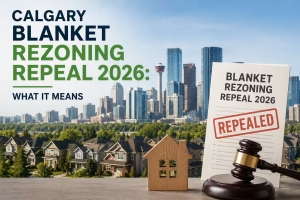
- Zoning Ordinances: Certain areas in Calgary may have zoning ordinances that impact sustainable building practices. Research the zoning regulations in your desired location to ensure that your custom home adheres to any environmental restrictions.
- Green Building Certifications: Consider pursuing green building certifications, such as LEED (Leadership in Energy and Environmental Design) or Built Green, to validate the sustainability of your custom home. These certifications may also facilitate the permitting process and demonstrate your commitment to eco-friendly design.